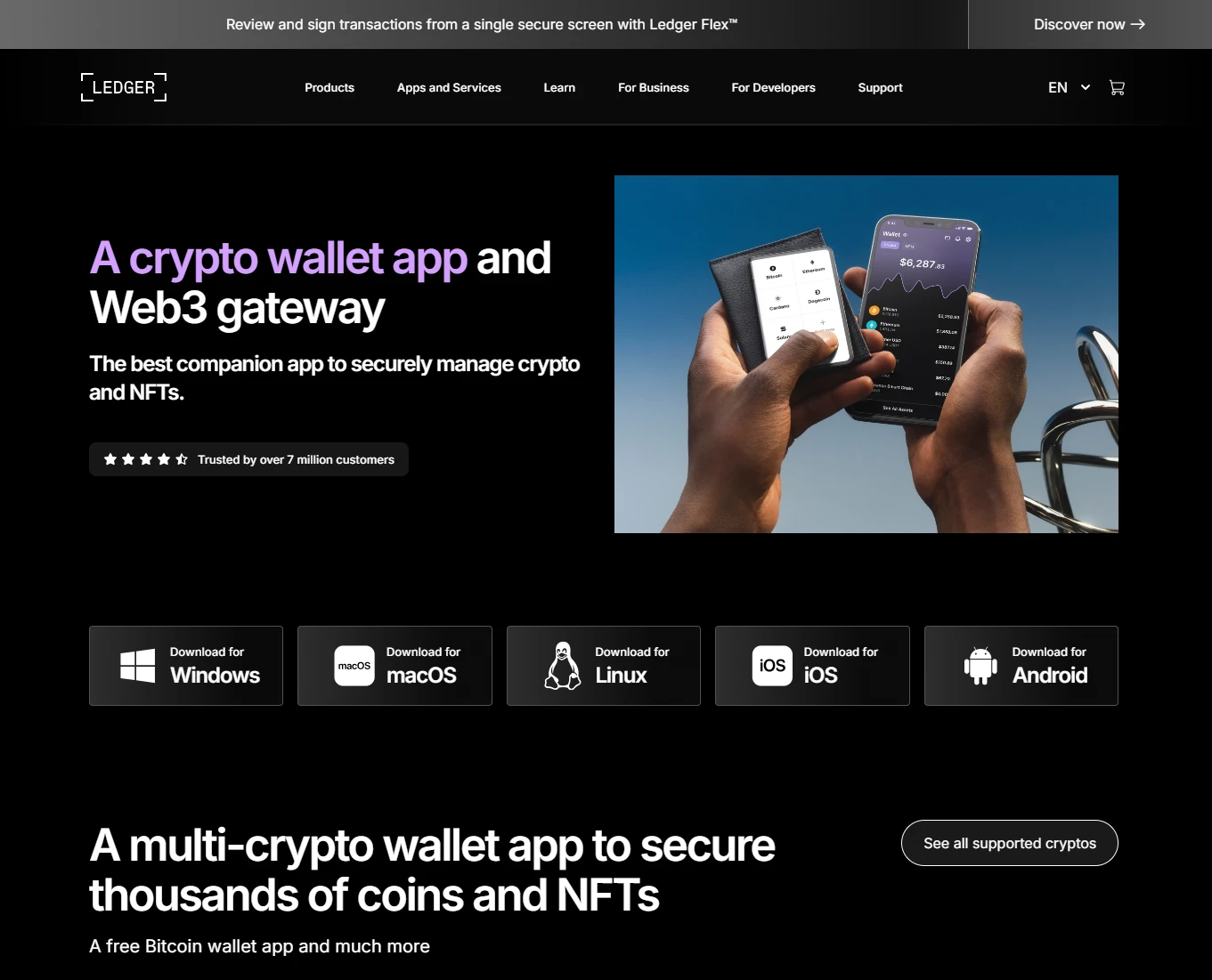
Ultimate Beginner’s Guide to Ledger Live Desktop Setup
Are you new to cryptocurrency and looking for a secure way to manage your digital assets? Ledger Live Desktop is the official application from Ledger, designed to work seamlessly with Ledger hardware wallets like the Nano S Plus or Nano X. This beginner-friendly guide will walk you through the entire setup process, from download to managing your crypto portfolio. Whether you're storing Bitcoin, Ethereum, or other altcoins, Ledger Live provides a user-friendly interface while keeping your private keys offline for maximum security. Let's dive into this step-by-step Ledger Live Desktop setup tutorial to get you started safely and efficiently.
What is Ledger Live Desktop?
Ledger Live Desktop is a free software application that allows you to manage your cryptocurrency holdings directly from your computer. It integrates with Ledger's hardware wallets, ensuring your funds remain secure even if your computer is compromised. Key features include real-time portfolio tracking, buying/selling crypto, staking, and secure transactions. Unlike centralized exchanges, Ledger Live gives you full control over your assets without relying on third parties. It's compatible with Windows, macOS, and Linux, making it accessible for most users. For beginners, it's an essential tool to enter the crypto world with confidence.
System Requirements for Ledger Live Desktop
Before starting your Ledger Live Desktop installation, ensure your computer meets the minimum requirements:
Operating System: Windows 10 or later (64-bit), macOS 11 (Big Sur) or later, or Ubuntu 20.04 LTS or newer (64-bit).
Hardware: At least 4GB RAM, 1GB free storage space, and a USB port for connecting your Ledger device.
Internet: A stable connection is needed for downloads, updates, and syncing blockchain data. If your system doesn't meet these specs, consider updating your OS or using the mobile version instead. Always verify compatibility on the official Ledger website to avoid issues during setup.
Downloading Ledger Live Desktop
Security starts with downloading from trusted sources. Avoid third-party sites to prevent malware. Follow these steps for a safe Ledger Live Desktop download:
Visit the official Ledger website at ledger.com/ledger-live or ledger.com/start.
Scroll to the download section and select your operating system (Windows, macOS, or Linux).
Click the download button for the latest version. The file will be a .exe for Windows, .dmg for macOS, or .AppImage/.deb for Linux.
Save the file to your downloads folder. Ledger provides checksums on their site—compare them with your downloaded file using tools like HashCalc (Windows) or md5 (macOS/Linux) to confirm authenticity.
This process takes just a few minutes and ensures you're using genuine software.
Installing Ledger Live Desktop
Once downloaded, installation is straightforward:
Windows: Double-click the .exe file, follow the prompts, and grant permissions if prompted by User Account Control.
macOS: Open the .dmg file, drag the Ledger Live app to your Applications folder, then launch it. You may need to allow it in System Preferences > Security & Privacy.
Linux: For .AppImage, make it executable (chmod +x filename.AppImage) and run it. For .deb, use sudo dpkg -i filename.deb. After installation, launch the app. It will check for updates automatically—install any available ones for the latest security patches and features. If you encounter errors, restart your computer or check Ledger's support for OS-specific troubleshooting.
Setting Up Your Ledger Device
With Ledger Live open, connect your Ledger hardware wallet via USB:
On the welcome screen, select "Get Started."
Choose your device model (e.g., Nano X or Stax).
If it's new, select "Set up as new device." Follow on-screen instructions to initialize it.
Create a PIN (4-8 digits) on the device.
Write down your 24-word recovery phrase on the provided sheet—never store it digitally or share it. Confirm the phrase on the device.
Ledger Live will verify the device's genuineness. If restoring from a previous setup, select the restore option and enter your recovery phrase.
This step is crucial for security, as the recovery phrase is your backup to access funds if the device is lost.
Adding Cryptocurrency Accounts and Managing Your Portfolio
Once connected:
In Ledger Live, go to the "Manager" tab and install apps for your desired cryptocurrencies (e.g., Bitcoin, Ethereum).
Navigate to the "Accounts" section and click "Add Account." Select the crypto, scan for addresses, and confirm on your device.
Your balances will sync automatically, showing real-time values and transaction history.
To send/receive crypto, use the respective tabs—always double-check addresses to avoid errors.
Explore features like staking for assets like Ethereum or Tezos, or integrate with DeFi apps.
The dashboard provides a portfolio overview, helping beginners track performance without complexity.
Security Best Practices for Beginners
Always buy Ledger devices from official sources or authorized resellers.
Enable two-factor authentication (2FA) where possible.
Regularly update firmware via Ledger Live's Manager.
Never enter your recovery phrase on any website or app.
Use a dedicated computer for crypto if possible, and avoid public Wi-Fi for transactions.
Following these tips minimizes risks in the volatile crypto space.
Conclusion
Setting up Ledger Live Desktop is a simple yet powerful step toward secure crypto management. By following this beginner guide, you've learned how to download, install, and configure everything safely, empowering you to handle your digital assets with ease.